Business, culture and education meet natural stone
Business, culture and education meet natural stone
MARMOMAC MEETS ACADEMIES 2023. ADVANCED RESEARCH AND LITHIC EXPERIMENTATION
Hall 10
Curated by: Giuseppe Fallacara
Curatorial collaborators: Alessandro Angione, Ilaria Cavaliere, Dario Costantino
Technical support: Katia Gasparini
ADVANCED RESEARCH AND LITHIC EXPERIMENTATION
In architecture, there are no ancient or modern materials; rather, it is the way in which matter is used and shaped that makes it relevant to its time. Starting from this premise, the exhibition Marmomac Meets Academies 2023 seeks to give meaning to the design actions presented, positioning them within the broader cultural framework of Marmomac.
STONE TRANSLUCENT VERTICALITIES
Designer/s
Pedro Varela, Maurizio Barberio
Universisties
University of Porto, Polytechnic of Bari
Affiliated Companies
Solubema and ETMA
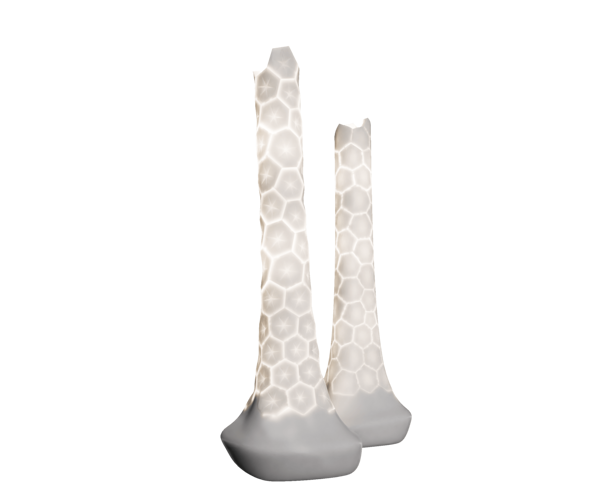
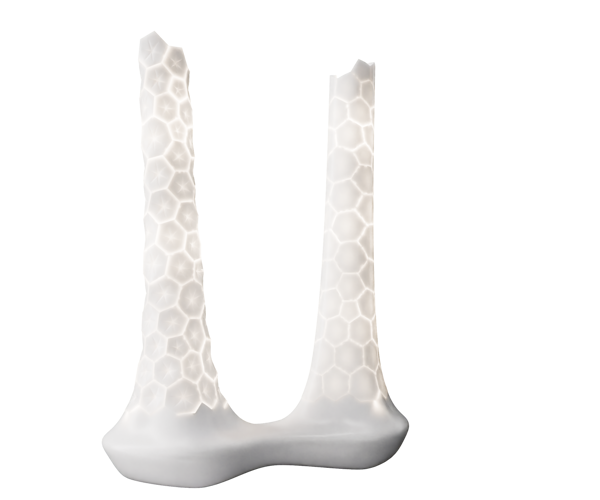
Stone Translucent Verticalities is an architectural sculpture that highlights the potential of digital design and stone/marble fabrication combined with artificial lighting. The main theme of the project is the relationship between carved stone materials and translucency: by reducing the thickness of the stone in specific areas, light is able to pass through the material, allowing it to be illuminated from behind.
The two columns can be considered “different twins”, as they are generated from the same geometric model. The first column is smooth on the exterior and carved on the interior, while the second is carved on the exterior and smooth on the interior. This duality allows for two distinct sensory perceptions of the same phenomenon, offering visitors a varied and exploratory experience.
PETRALUMINA - FLOOR
Designer/s
Stefano Chiocchini
University
IID – Istituto Italiano Design
Affiliated Companies
PI.MAR S.r.l.
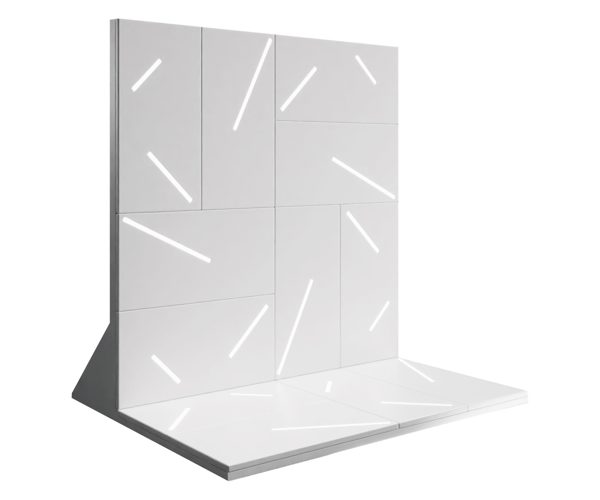
Petralumina is a modular flooring and cladding system made of natural stone with integrated photoluminescent decorative patterns. The product line consists of two-dimensional and three-dimensional modular elements manufactured using CNC machines and incorporating a mixture of natural resins and photoluminescent powders. These materials ensure the re-emission of absorbed photons (from natural or artificial light), generating safety lighting in the absence of light or under minimal lighting conditions.
The tiles are available in various dimensions: 15×15 cm, 30×30 cm, 30×60 cm, 60×60 cm, 90×90 cm, 60×120 cm, and in different thicknesses. The photoluminescence embedded in Lecce limestone combines design with eco-sustainable architecture. It features an infinite charge–discharge cycle, making it a fully green and natural product, a clean and renewable energy source that contributes to energy savings.
Petralumina: it is in darkness that light is found.
KINETIC STONE WALL
Designer/s
Giuseppe Fallacara, Micaela Colella
Collaborators
Ing. Pietro Boccadoro
University
Polytechnic of Bari
Affiliated Companies
CNC Design, Stilmarmo S.r.l.
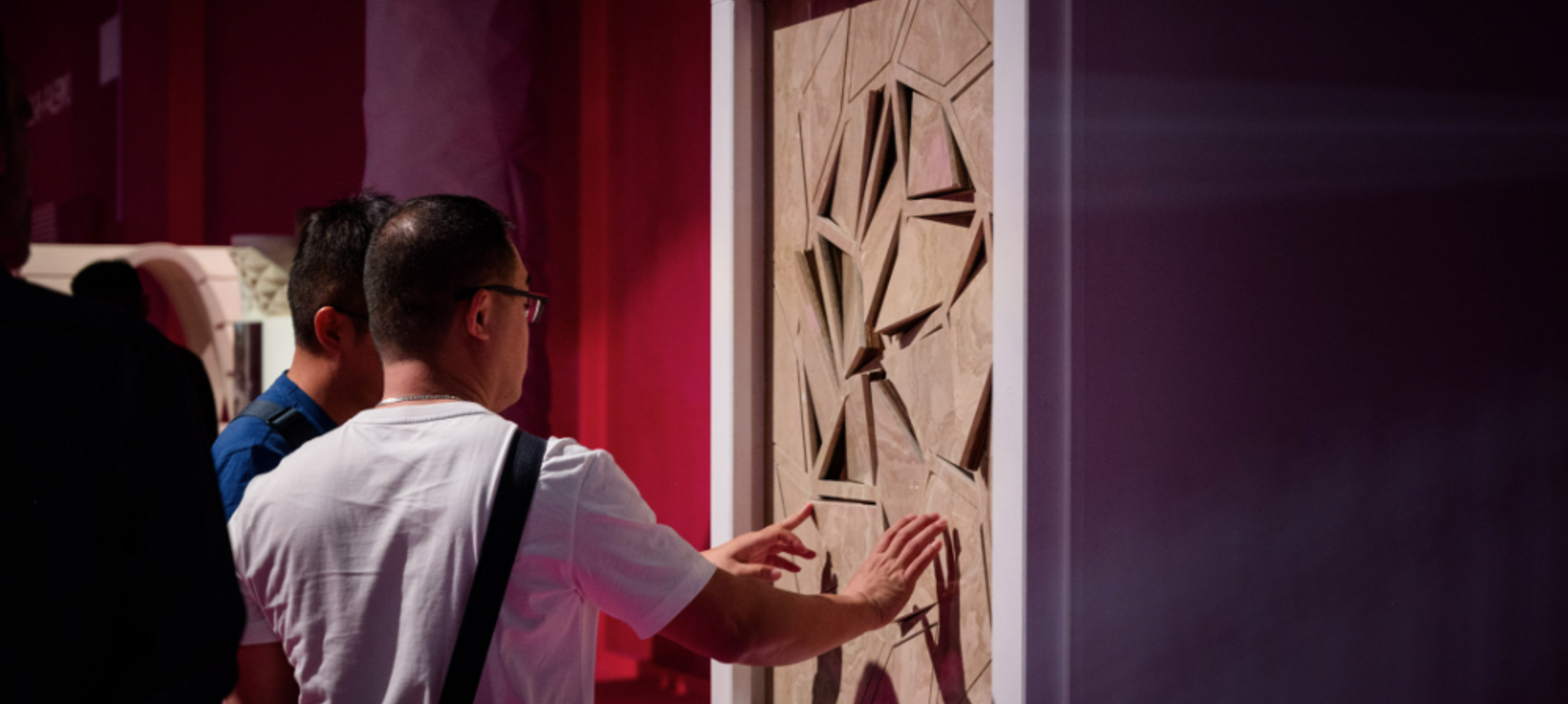
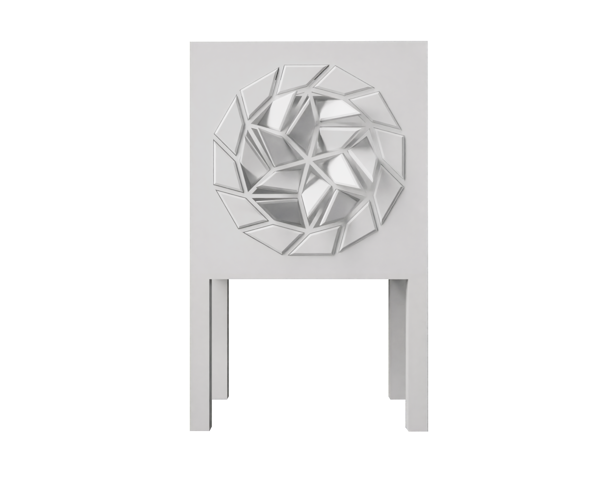
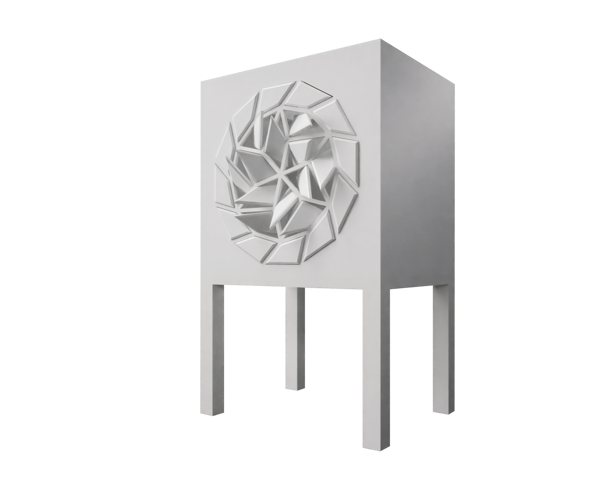
The Kinetic Stone Wall prototype represents a portion of a stone façade composed of a large slab of Apricena stone, carved with a pattern generated through recursive geometry. The resulting stone “petals” are able to open and close thanks to a mechanism positioned behind them, allowing air and light to penetrate the building as required.
The movement mechanism consists of an electric motor that can be activated remotely or via sensors, programmed using Arduino.
In recent years, buildings featuring envelopes capable of modifying their configuration according to changing user needs and climatic conditions—both seasonally and throughout the day—have become increasingly widespread, often employing lightweight materials such as aluminium panels. In this case, however, the proposed solution makes use of thin-cut stone combined with a material that is both lightweight and resistant, and suitable for the interior aesthetic of the wall: wood. This approach enables the integration of reactive mechanisms within buildings featuring a stone masonry envelope
BUTTERFLY WING
Designer/s
Nicola Parisi, Francesco Fieni
University
Polytechnic of Bari
Affiliated Companies
Manzi Marmi S.r.l., Robologica S.r.l.
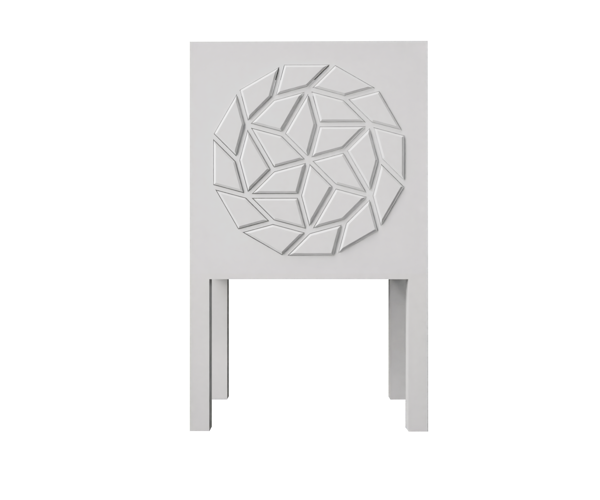
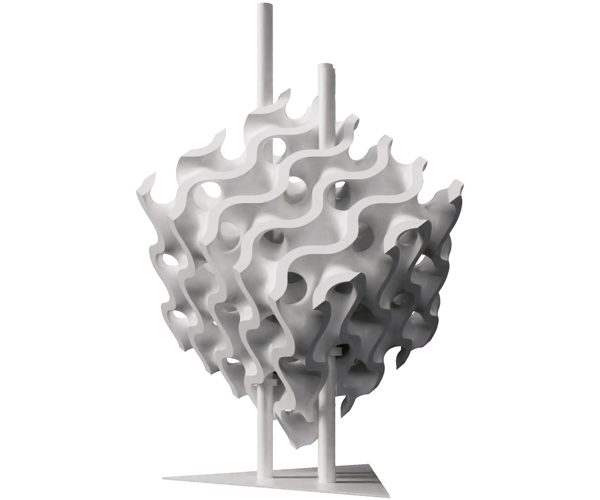
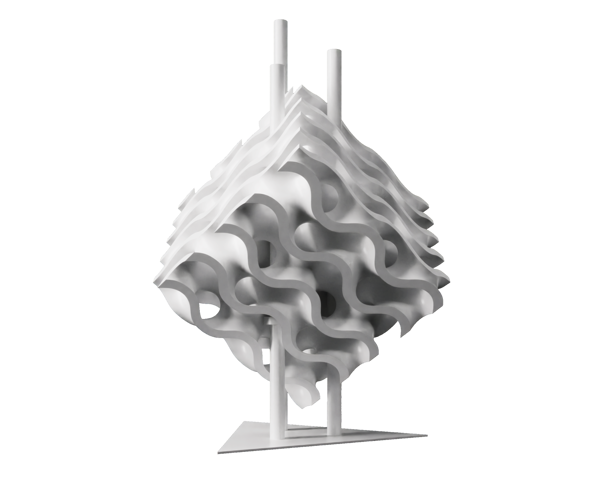
Designed to challenge the production limits of CNC fabrication techniques, this experimental prototype was created using specific subtractive digital fabrication processes that approximate the results achievable through hybrid prototyping techniques. These results are obtained by superimposing sections produced through a robotic machining process known as double processing.
The artefact’s geometries are designed using a procedural algorithm aimed at demonstrating the structural performance of minimal surfaces known as gyroids, which allow for a significant reduction in structural weight without compromising mechanical performance.
The objective of the research is to take the first steps towards demonstrating the vast potential of reusing waste materials from stone processing for high-performance circular architecture. Future implications include interdisciplinary collaboration with material science, the development of hybrid digital fabrication technologies, and the exploration of increasingly complex geometric forms that cannot be achieved through purely subtractive or additive techniques alone.
TECHNOVAULD
Designer/s
Dustin White
University
Florida Atlantic University (FAU) School of Architecture
Affiliated Companies
Concr3de 3D Printing, PI.MAR S.r.l.
TechnoVauld is a neologism derived from the fusion of the words “techno” and “vault”, symbolising the union of technology and architectural form. The project aims to demonstrate the integration of additive manufacturing technology within rusticated construction through an innovative 3D stone-printing process.
TechnoVauld represents an imaginative and creative design approach that evokes a sense of modernity and innovation in architecture and construction, while simultaneously addressing the critical need to respect stone as a finite and precious resource. By leveraging additive manufacturing technologies, it becomes possible to overcome environmental challenges, reduce waste, optimise resource use, and integrate sustainable materials into the 3D printing process.
Beyond technological progress, TechnoVauld also offers a new perspective on honouring stone as a material, recognising its symbolic and spiritual connotations and harmonising human creativity with the beauty and strength of the natural world. In doing so, it preserves the cultural significance and aesthetic appeal historically associated with stone.
M(AIR)ble CHAIR
Designer/s
Marco Massafra, Francesco Ciriello
University
Polytechnic of Bari
Affiliated Companies
Gurrado Marmi s.r.l., Archimed s.r.l.s.
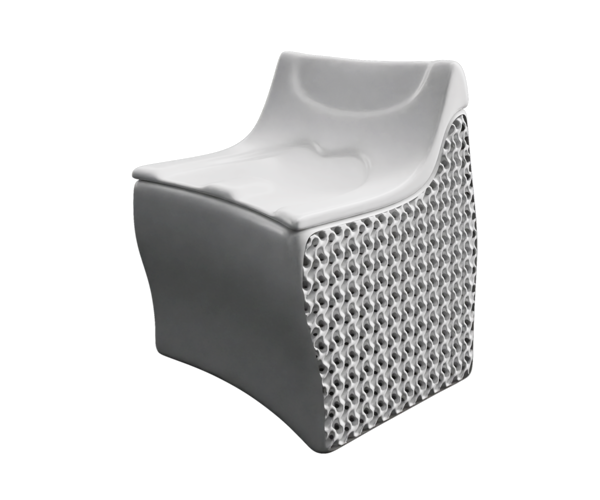
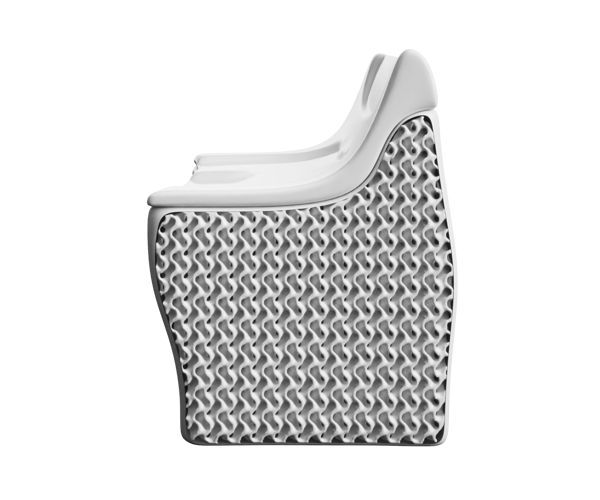
The M(AIR)ble Chair is the result of the combination of two different digital fabrication techniques: 3D printing of a gyroidal structure made of flexible material and robotic milling of marble. This hybrid approach introduces a new chair concept that establishes a novel balance between flexibility, strength and aesthetics.
The load-bearing structure of the chair is based on a gyroid geometry, a mathematical structure belonging to the class of minimal surfaces. The gyroid is characterised by a repetitive grid extending infinitely in three dimensions, composed of interconnected curved and twisted surfaces that form a network of channels allowing air to pass through the structure.
The gyroidal base is produced through an FDM 3D printing process using TPU (thermoplastic polyurethane), a single-process material that combines the properties of rubber and plastic, providing flexibility, elasticity and resistance to impacts, shocks and chemical agents. The Carrara marble seat and backrest cover the upper part of the base, integrating seamlessly with the sinuous form and maintaining continuity with the gyroidal structure.
The combination of a flexible material extruded into a mathematical repetitive geometry and the robotic milling of marble gives the chair a new equilibrium between strength and flexibility, allowing for comfortable seating while preserving structural integrity.
BRIDGE TABLE. A TRIBUTE TO SERGIO MUSMECI
Designer/s
Giuseppe Fallacara
University
Polytechnic of Bari
Affiliated Companies
Mastropasqua Marmi S.r.l., Donatoni Macchine S.r.l.
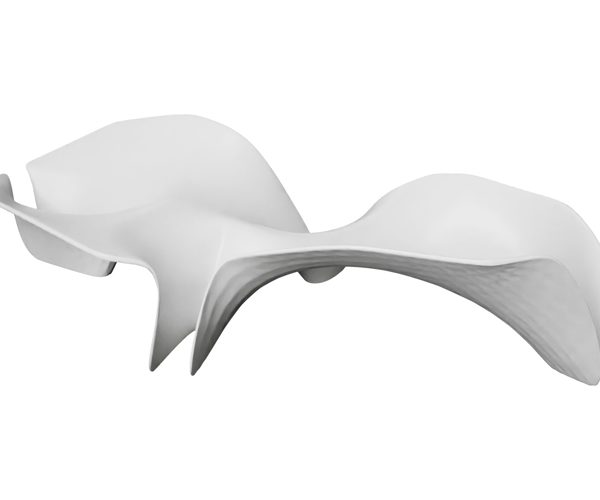
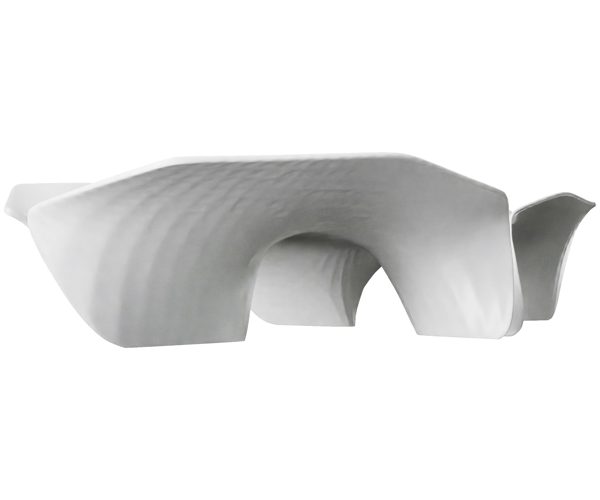
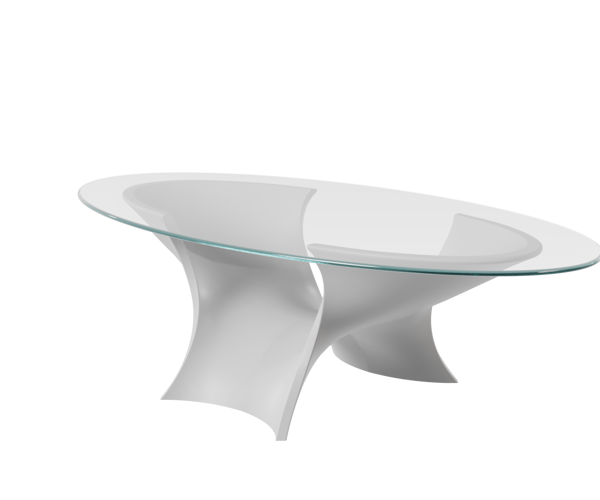
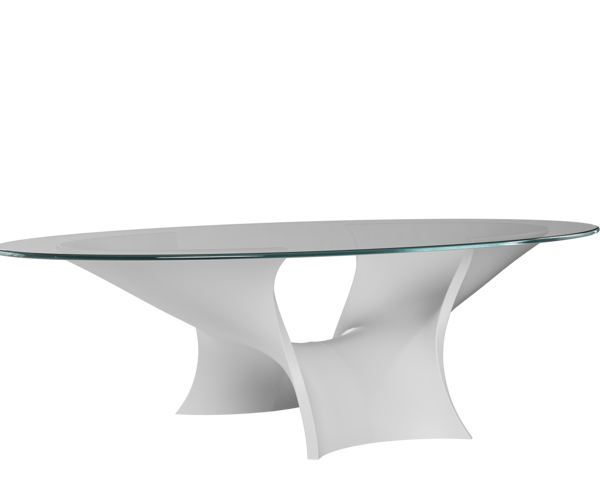
The creative genius of Sergio Musmeci, a renowned Italian structural engineer best known for the bridge over the Basento River (Potenza, Basilicata, Italy), continues to inspire multi-scale research on minimal structures and minimal surfaces. Minimal surfaces are geometrically defined as surfaces that minimise area between given boundaries.
The Bridge Table is inspired by a drawing of a bridge pier designed by Sergio Musmeci, exhibited at MAXXI in Rome during the exhibition inGenio – Visionary Ideas from the Archive of Sergio Musmeci. The bridge pier is translated into the marble base of a table, changing its scale.
The complexity of the form requires specific CNC machining tools in order to extract the thin, double-curved shape of the table from a single block of white marble. Achieving such slenderness from a single block represents the true challenge of the work.
CORAL SITTING
Designer/s
Massimo Russo
University
Polytechnic of Bari
Affiliated Companies
Techology Helios Automazioni, Manufacture Sante Aceto Gruppo Tortuga Design
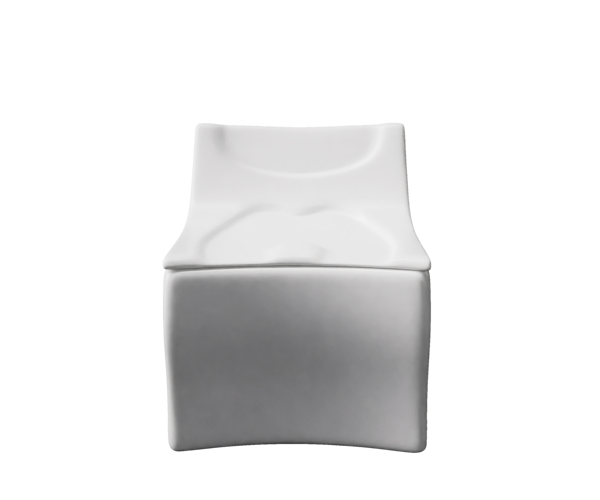
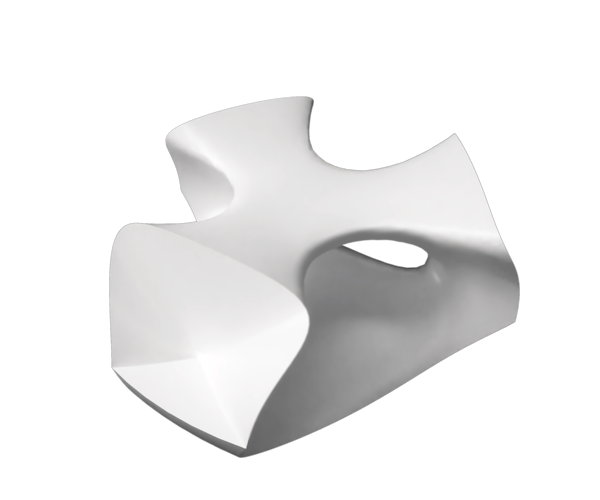
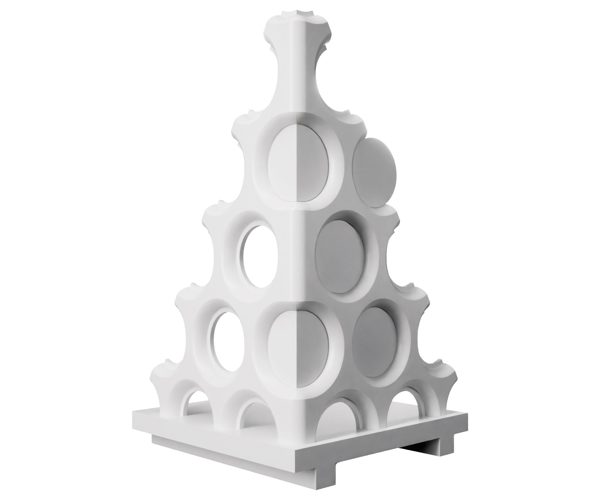
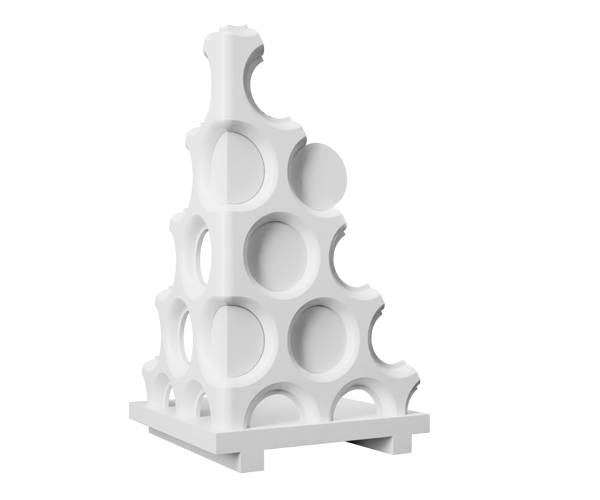
The organic design is freely inspired by the reticular geometry of coral. The seat is conceived as part of a potential complex modular system. Its curved lines and cavities respond to a generative mathematical logic, resulting in an object that conveys a non-conventional image—a metaphor referring to the structure and the most intimate components of the material.
OSTEOMORPHIC HELICOIDAL STAIRCASE
Designer/s
Giuseppe Fallacara
Collaborators
Francesco Tarricone, Francesco Brunetti
University
Polytechnic of Bari
Affiliated Companies
FabLab Poliba, Stilmarmo S.r.l., Tarricone Prefabbricati, CNC Design, Mapei S.p.A.
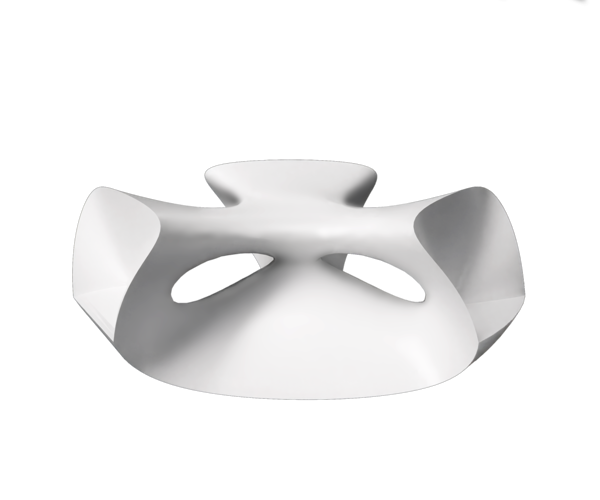
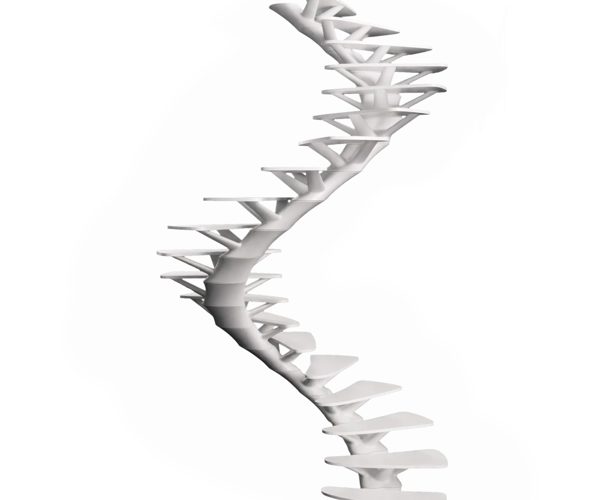
This prototype represents the latest in a series of experiments focused on helicoidal staircases composed of modular load-bearing elements. It constitutes an evolution of studies on stereotomic staircases documented in French treatises dating back to the Renaissance period.
In particular, the Osteomorphic Helicoidal Staircase is a spiral staircase with a load-bearing ramp and supporting steps, composed of prefabricated modular reinforced concrete elements and steps made of fibre-reinforced Apricena stone.
The morphology of the load-bearing ramp is inspired by the human spinal column, where each vertebra is perforated at its centre to allow the passage of reinforced concrete, representing the spinal cord of the structure. Each vertebra was produced from a 3D-printed model used to create the mould.
Each step rests on three points of the vertebra and consists of a 3 cm thick stone slab, whose underside is carved to accommodate mortar and high-performance stainless steel bars. These reinforcements prevent fragility and breakage of the thin limestone slab.
STONE ORIGAMI – ROCALIA 2023
Designer/s
Giuseppe Fallacara
Collaborators
Marco Stigliano, Michele Masciavè
University
Polytechnic of Bari
Affiliated Companies
Association Rhônapi, Mastropasqua Marmi S.r.l.
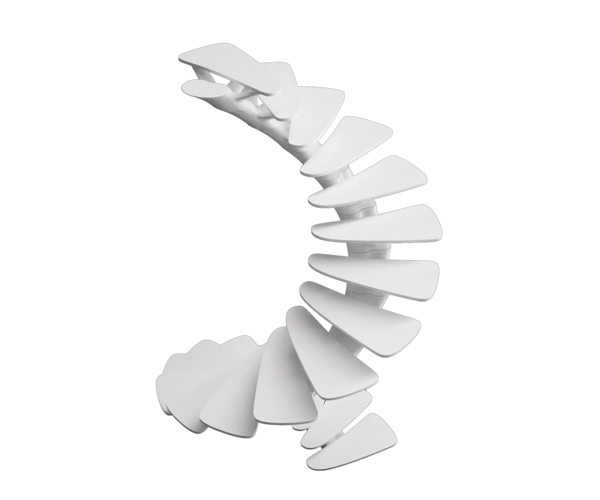
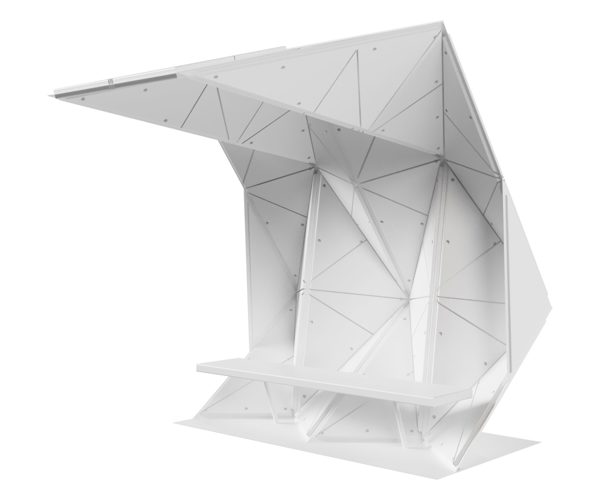
Stone Origami is a fragment of a roofing system inspired by the triangular geometry of origami. The prototype is conceived as an urban shelter for passers-by and travellers. It features a multifaceted geometry composed of assembled two-dimensional elements.
The research focuses on the possibility of creating a double-sided sandwich panel capable of fulfilling both structural and aesthetic functions. The panel consists of a load-bearing metal sheet, an aluminium honeycomb core and a thin layer of natural stone (pierre bleue de Savoie and pierre de Chandoré).
The resulting panels can be endlessly assembled through mechanical metal connections to create complex forms generated by the triangular composition of elements. The construction system can be easily disassembled and reassembled, allowing for multiple formal configurations using the same components.
The complete prototype was presented at the Rocalia trade fair (Lyon, France) in December 2023.
ARX ETEREA PETRAE
Designer/s
Sara D’Adamo, Teresa Lanzetta, Clara Rosa Romano, Clelia Santovito, Andrea Sgherza, Giuseppe Tota
University
Polytechnic of Bari
Affiliated Companies
Lanzetta Francesco & Figli S.N.C.
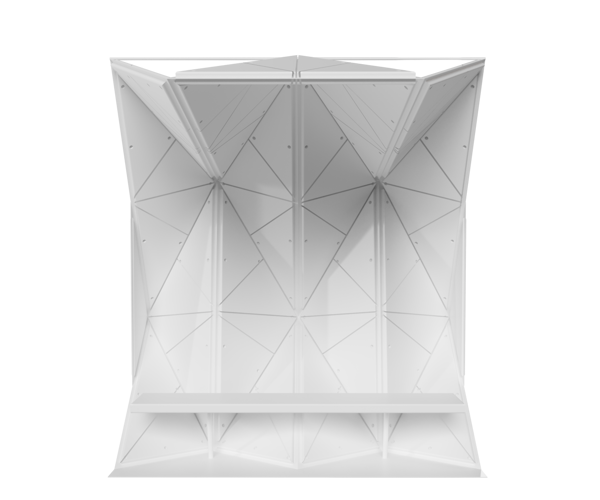
The architectural project, developed during the Architectural Design IV course held by Prof. Arch. Fallacara and subsequently refined during the final thesis laboratory, consists of a façade cladding system made of semi-load-bearing modules in Minervino Murge stone, with optional infill panels composed of thin marble slabs.
Minervino Murge stone is renowned among the stones of the Trani basin for its strength and durability. Its compact structure and mineral composition allow it to effectively withstand weathering and atmospheric agents, preserving its beauty and integrity over time.
The insertion of thin marble slabs within the façade offers multiple design and functional possibilities. In addition to creating patterns of light and shadow across the building surface, the slabs can be left open to allow direct air passage, improving the ventilation of interior spaces—an especially valuable feature in hot and humid Mediterranean climates.
SEMPITERNAL RENASCENCE
Designer/s
Anne-Cécile Surga
Collaborators
Giuseppe Fallacara, Francesco Ciriello
University
Polytechnic of Bari, FabLab Poliba
Affiliated Companies
Hérès, Nanterre; Centro Internazionale per la Scultura, Peccia, ArchiMed 3d
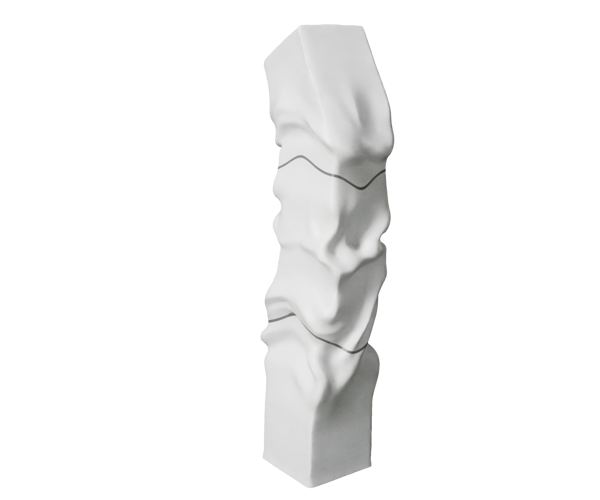
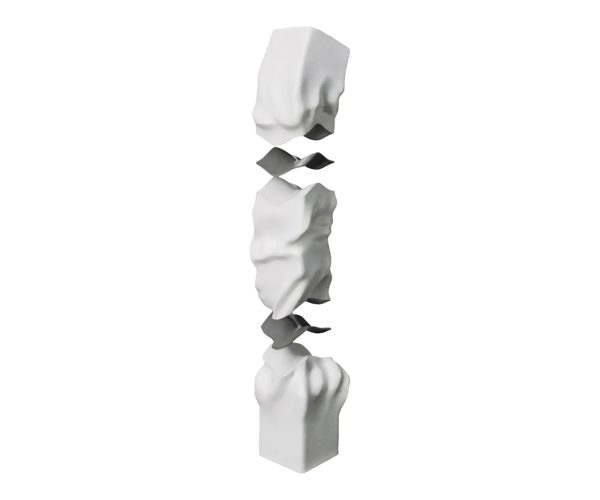
Sempiternal Renascence offers a contemporary contribution to history, combining craftsmanship and ancestral knowledge with new technologies to address the challenges of digital fabrication in the most appropriate way.
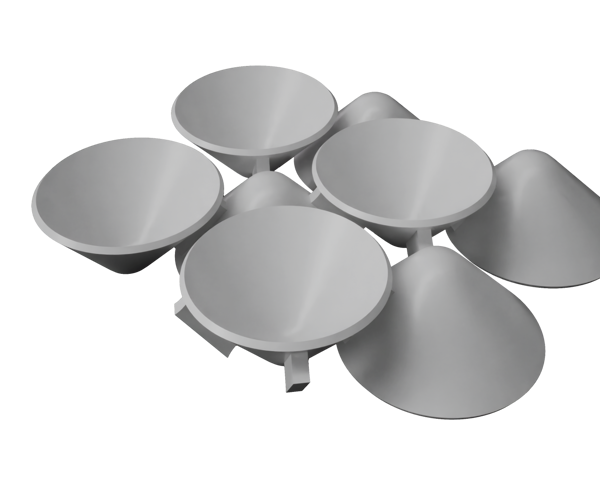
The sculptural project consists of three elements made of Swiss Cristallina marble, joined by two flexible pneumatic joint elements produced through 3D printing. In addition to ensuring a soft connection between the marble blocks, these joints guarantee adhesion through the micro-suction cup configuration of their components.
The form of the project derives from an original 60 cm marble sculpture by artist Anne-Cécile Surga, which was digitised in 3D, divided into three elements and cut using CNC machinery. After the robotic cutting phase, the artist manually reworked the marble to achieve the final form.
The project connects art, science and technology: alongside the artist’s creativity, concepts of geometry and fluid stereotomy, as well as advanced computer-based mechanisation, are required. These three research axes are metaphorically embodied in the three elements of the artwork, unified by a layer that weaves together what might be perceived as opposites into a harmonious whole.
STONE AND STRUCTURE - INNOVATIVE CONSTRUCTION WITH LOAD-BEARING NATURAL STONE
Designer/s
Anne Hangebruch, with students BA / MA
Collaborators
Anne Hangebruch, Christian Hartz
University
TU Dortmund University
Affiliated Companies
Bamberger Natursteinwerk Hermann Graser GmbH
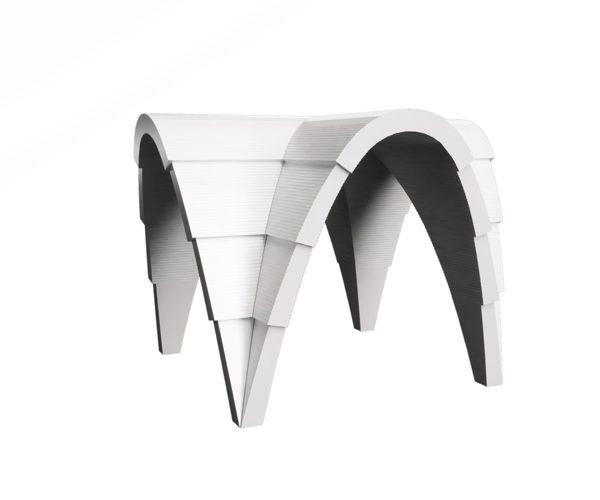
With the design and construction seminar Pavilion of Stone, Junior Professor Architect Anne Hangebruch and her students explore the potential of natural stone as a structural element, rather than merely as cladding, in contemporary architecture. In close collaboration with Bamberger Natursteinwerk Hermann Graser GmbH, the team investigates experimental and innovative solutions that employ stone as a load-bearing material.
The aim is to explore the balance between construction requirements, structural conditions and architectural expression within a broader architectural context. Specific constructional and expressive methods tailored to natural stone are researched and developed. Prof. Dr.-Ing. Christian Hartz supervises the integrated structural planning of the projects.
The use concept is part of a student competition, in which a temporary café can be easily envisioned. Just as a kiosk creates a space for social interaction beyond its commercial function, the prototypical realisation of the Pavilion of Stone is intended to provide both students and faculty with an opportunity for informal exchange on the southern campus of TU Dortmund.
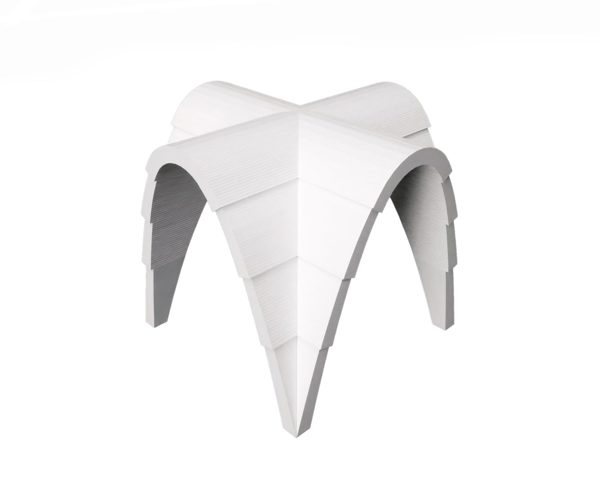
One of the design proposals is presented as a 1:3 stone model. The spatial concept is based on the construction of a classical groin vault, where the forces within the arch follow a parabolic thrust line, making the vault self-supporting. Furthermore, the stone sections are designed so that no horizontal joints between individual stone elements are exposed. The surface structure of the pavilion is the result of the fabrication process of complex forms. Overall, the project illustrates the current possibilities of working with natural stone using robotic fabrication.
PARTICLE-TRAIL
Designer/s
Michael Davis, Alessandro Premier, Sarosh Mulla
Collaborators
Davis Wu, Ricky Wong, Adam Hunt, Katia Gasparini
University
University of Auckland, Faculty of Creative Arts and Industries, School of Architecture and Planning, Future Cities Research Hub
Affiliated Companies
Pietre Rare s.r.l.
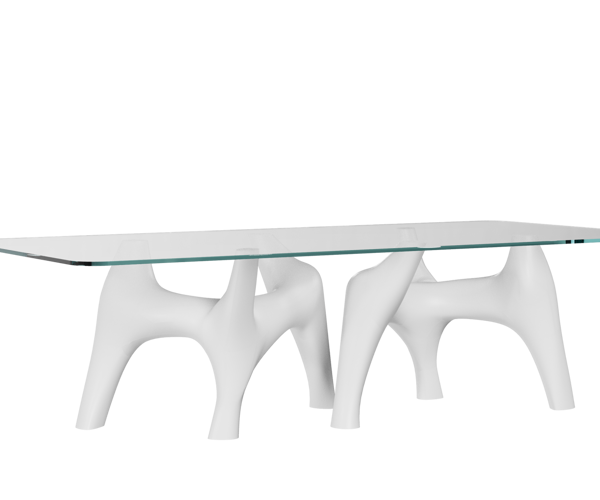
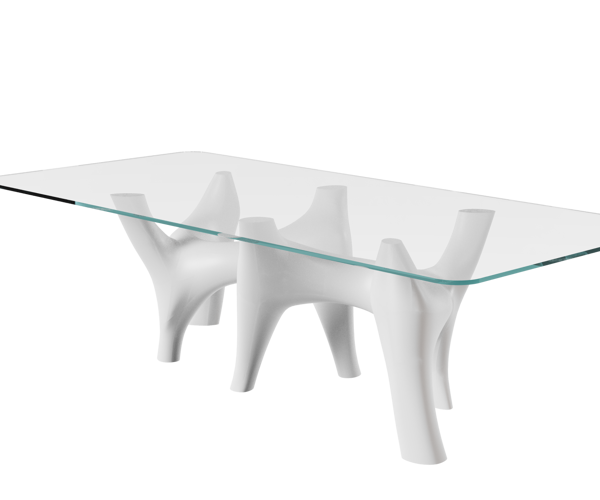
The research project proposed by the University of Auckland team is a furniture element generated from a conceptual design based on the particle system traces of Unity. In this specific project, the particles consist of small coral-like structures inspired by bone morphology, which are assembled to create a new model.
The conceptual project reproduces an approximation of the internal structure of bones—cancellous bone—as observed through scanning electron microscopy (SEM). Cancellous bone is located within the internal structure of bones, while compact bone forms the outer layer. Cancellous bone is characterised by honeycomb-like cellular structures that provide support and strength to the human skeleton.
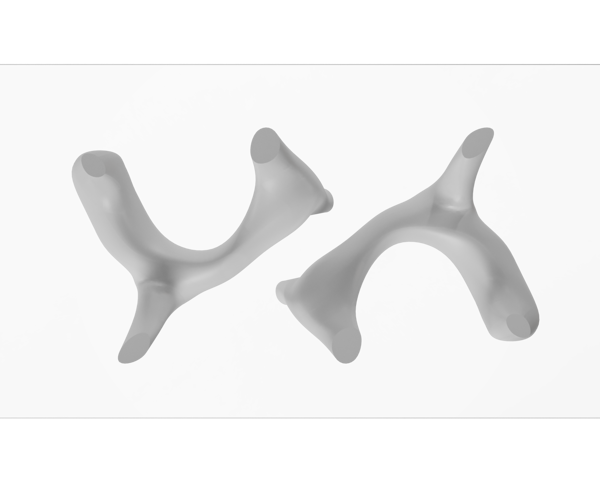
The evolution of the project focused on a small portion of the original structure, exploring various possibilities for transforming it into an architectural element. Through algorithmic modelling, the structure is translated into an arch-shaped object that can be scaled and employed in different contexts and for different purposes (e.g. architectural element, furniture).
The object has the potential to become modular and to be used as a component within other structures. Particle-Trail uses two arch-shaped structures (identical but mirrored) that form the load-bearing structure of a table. Originally conceived as a set of 3D-printed components, the project ultimately aims to exploit advanced subtractive fabrication technologies to design and manufacture furniture in natural stone.
OVERTHREE
Designer/s
Aurora Camparsi, Sofia Carazza, Jessica Rita De Martin Topranin e Cecilia Pauletti
University
Accademia di Belle Arti Statale di Verona
Affiliated Companies
Donatoni Macchine S.r.l.
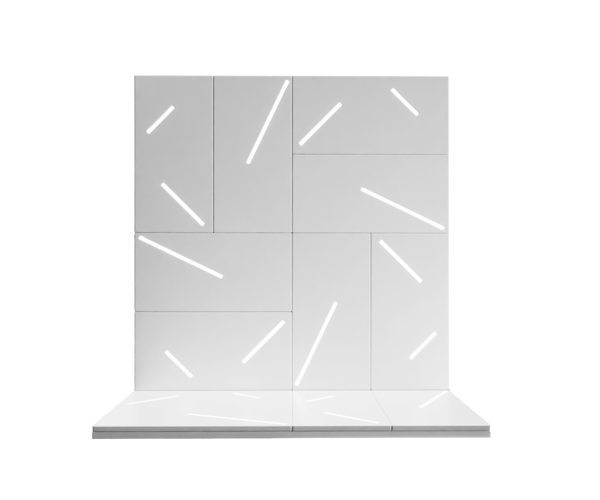
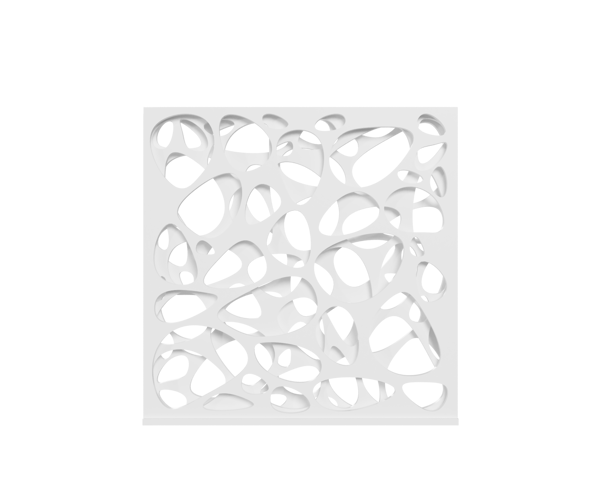
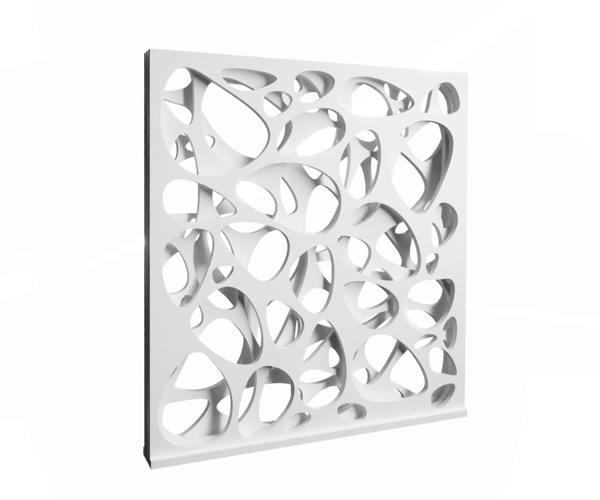
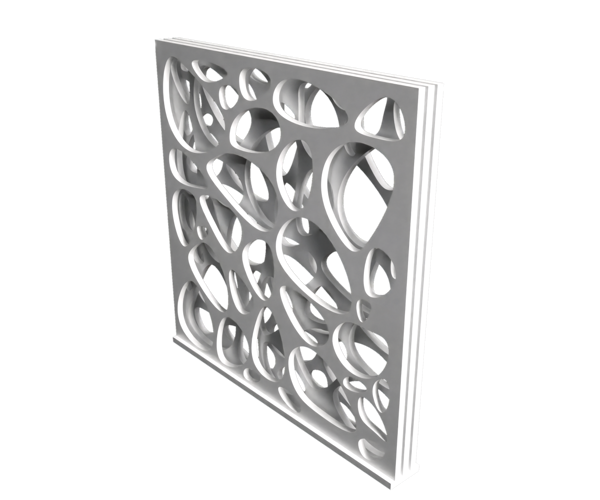
OverThree is a decorative, modular marble partition wall inspired by the waves and reflections of the water surface. It consists of three identical slabs that are repeated and rotated by 90° and 180°, then inserted into a specially designed base.
Each slab features perforations which, when positioned against one another, generate dynamic plays of light and shadow.
FIGURA
Designer/s
Vincenzo Minenna
University
Polytechnic of Bari, CDLM Industrial Design
Affiliated Companies
PI.MAR S.r.l.
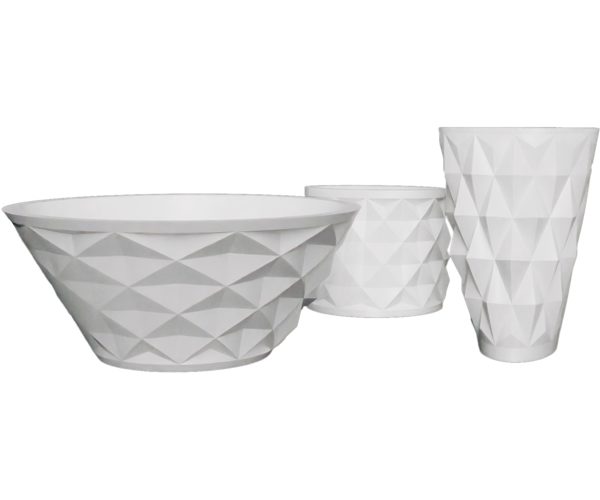
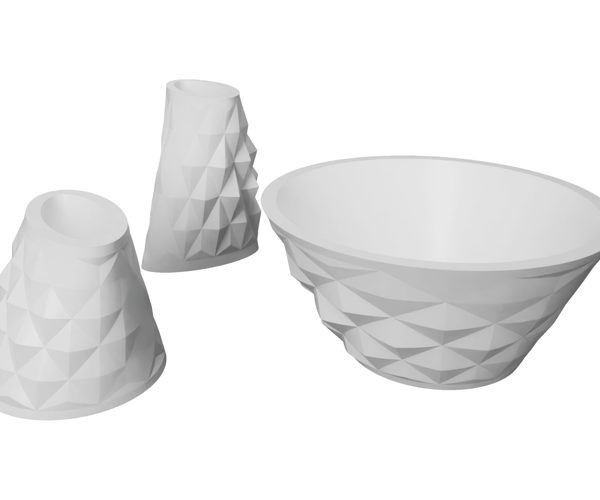
The project is based on technology-driven innovation, focusing on the integration of new technologies into either the product or the production process in order to improve performance, usability and production costs. The adopted design process follows user-centred design methods, placing the user at the core of the design approach, and employs digital fabrication techniques enhanced by parametric–generative methods.
As a result, theoretical and technological aspects can be refined to innovate the processes of transformation, prefiguration, composition and prototyping of stone materials, leading to improved usability and accessibility through user experience testing.
The starting point of the experiment was an investigation into the multiple interactions between stone design and technology, with particular attention to mathematical research oriented towards the experimentation of a vase. A more effective design strategy was identified through a generative method based on the creation of an algorithm containing simple design data (geometric and formal aspects), which can be enhanced through additional constraints (such as production, assembly, structural characteristics and materials) or parametric variables (environmental conditions or specific structural stresses).
The generated algorithm was uploaded onto a web platform featuring a three-dimensional preview and a control bar for the variables. The interface is designed to be implemented on a website and is particularly suited to commercial applications.
STEREOTOMIC TRIPOD
Designer/s
Ilaria Cavaliere, Alessandro Angione, Dario Costantino
Collaborators
Francesco Brunetti
University
Polytechnic of Bari
Affiliated Companies
FabLab Poliba, Stilmarmo S.r.l., CNC design, Mapei S.p.A.
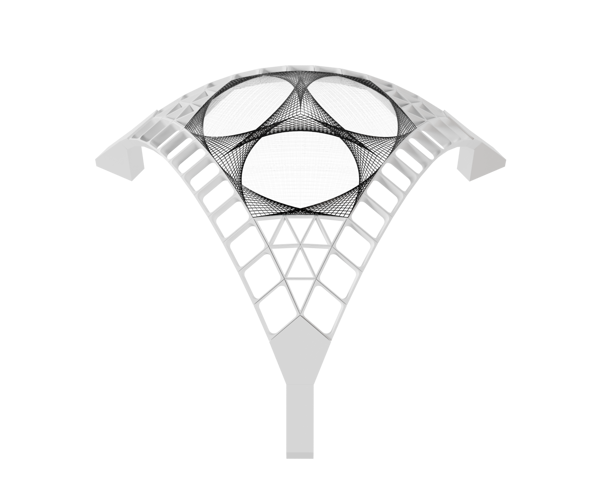
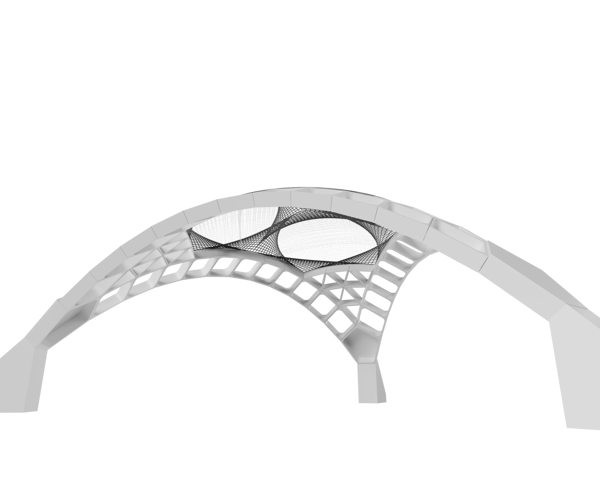
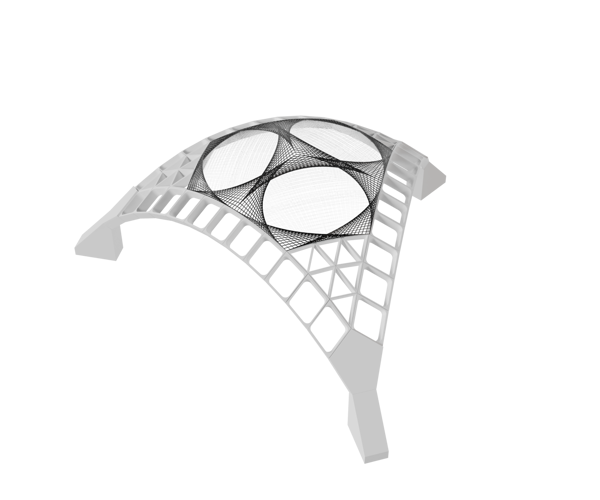
The Stereotomic Tripod is a triangular vault composed of hollow elements produced through 3D printing and shaped to create different patterns. The edges are characterised by quadrangular voussoirs, while the corners are filled with a triangular pattern.
The entire system is designed to be assembled without centring, with the blocks fixed together using screws. Although the prototype was realised in PLA, the vault was designed according to the principles of stereotomy, a discipline historically linked to stone construction.
Furthermore, the three pentagonal voussoirs at the supports are clad on the extrados with slabs of Apricena stone, demonstrating the possibility of creating innovative formwork systems.
The central portion of the Stereotomic Tripod is completed with a structure made of woven glass fibres and carbon fibres impregnated with epoxy resin. The glass fibre mesh defines the correct geometry, onto which the carbon fibre can be accurately laid, reinforcing the structure. Carbon fibres enhance the overall stiffness of the system, preventing deformation of the vaults.
The Stereotomic Tripod serves as a demonstrator of the potential to combine diverse innovative techniques and technologies, starting from lithic tradition and hybridising it with new fabrication processes and materials.
MULTISENSE - INCLUSIVE SENSORY SEATING
Designer/s
Madina Gabbazova, Alejandra Fuertes Garcia, Eleonora Natale, Annalaura Nucci
Collaborators
Elio Ravà, Carlos Acosta Fontana
University
University of Rome “Sapienza”
Affiliated Companies
Balducci Marmi S.r.l. – Camporgiano LU
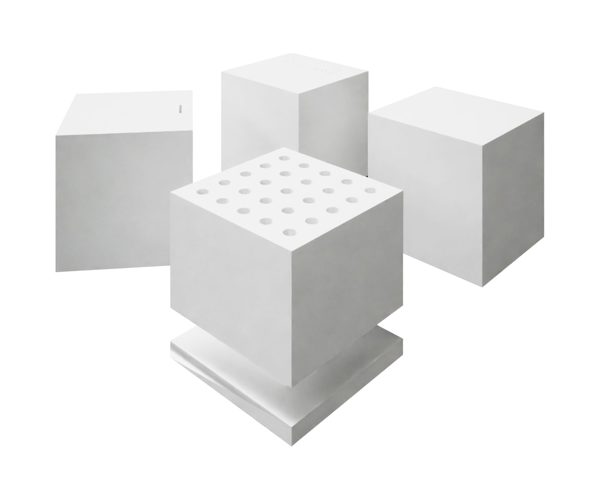
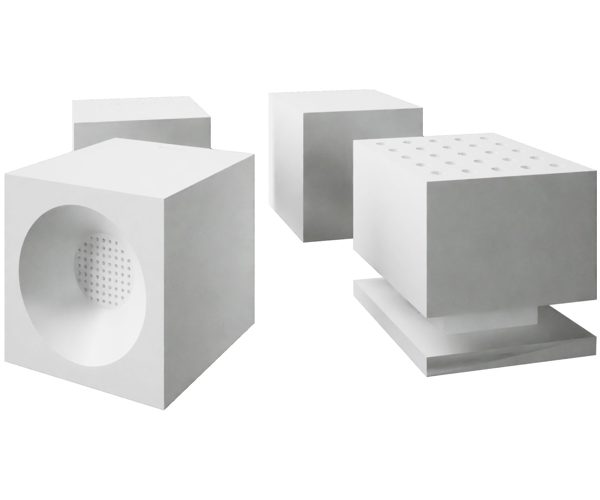
MultiSENSE consists of inclusive modular seating that combines different sensory experiences to support people with reduced perceptual abilities. The aim is to create urban furniture that is not only accessible to everyone, but also contributes to improving accessibility within the spaces in which it is placed.
The use of marble evokes the artistic and architectural tradition of many historic environments, while simultaneously creating a symbolic counterpoint between the monumental and the everyday.
The seating elements are part of a broader system currently under development, integrating stone processing with advanced sensing and Wi-Fi communication systems. The four prototypes on display correspond to a series of sensory experiences, each based on one of the five senses.
HEAR_IT incorporates an audio source activated to provide information, such as urban orientation cues.
WATCH_IT uses a light stimulus to attract attention and provide directional guidance.
SNIFF_IT releases a scent that facilitates identification of the seating element and enhances the user experience.
TOUCH_IT may include tactile signals or Braille, while surface finishes can be customised according to orientation to provide additional guidance.
In the commercial version, the seating elements can be activated either automatically or via a switch. The project was conceived during the Architecture and Building Design II laboratory (Prof. Marco Ferrero) within the MSc programme in Architectural Engineering at Sapienza University of Rome and later developed in collaboration with Balducci Marmi, which also produced the prototypes.
Students were supervised by architects Elio Ravà and Carlos Acosta Fontana, as well as Prof. Marco Ferrero. The digital platform is currently under study at the Faculty of Civil and Industrial Engineering of Sapienza University.
DA VINCI’S BRIDGE
Designer/s
Giuseppe Fallacara, Nicola Parisi, Ilaria Cavaliere, Angelo Vito Graziano
University
Polytechnic of Bari
Affiliated Companies
FabLab Poliba, WASP, B&Y S.r.l.
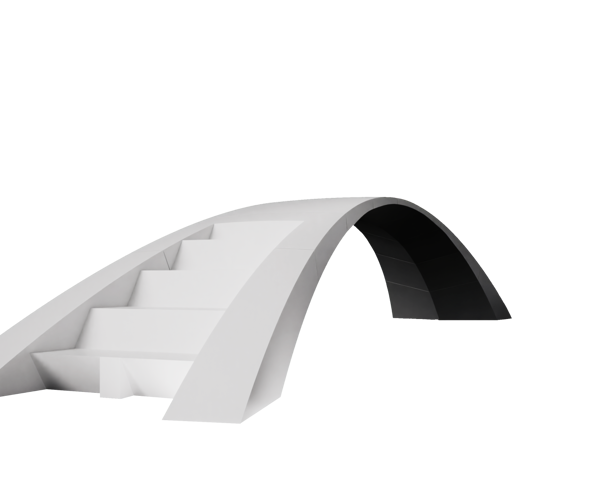
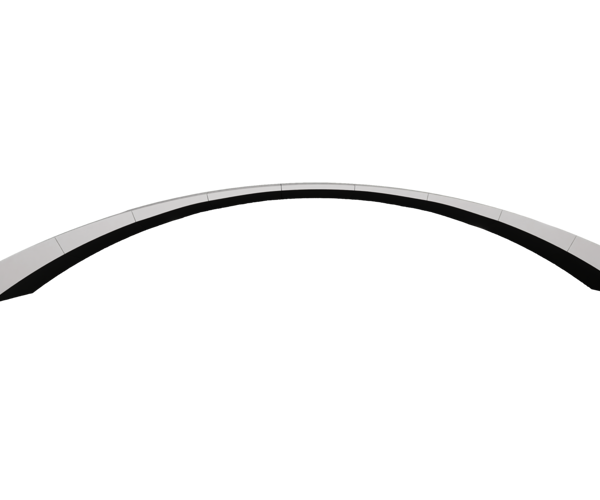
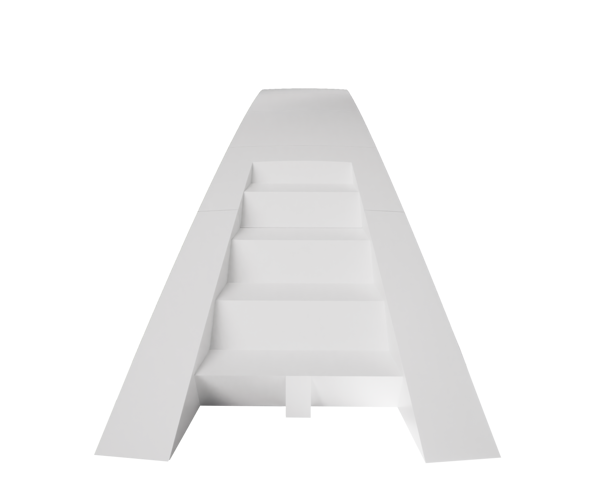
IDa Vinci’s Bridge is a contemporary reinterpretation of the bridge designed by the Italian genius Leonardo da Vinci in 1502. The proposed model consists of nine stereotomic voussoirs conceived for additive manufacturing.
3D printing is rapidly spreading within the construction sector, and several 3D-printed bridge prototypes have already been realised using concrete. The aim of this project is to test a new mixture based on stone powder (using waste materials from quarries in Apulia), proposing a sustainable approach to lithic construction.
The small bridge was designed to be printed using a 3-metre Delta WASP printer, employing a printing path characterised by non-horizontal layers. Each layer is oriented perpendicular to the applied stresses, maximising structural performance.
STEREOMA
Designer/s
Giuseppe Fallacara
Collaborators
Ilaria Cavaliere, Dario Costantino, Alessandro Angione, Sara D’Adamo, Teresa Lanzetta, Clara Rosa Romano, Clelia Santovito, Andrea Sgherza, Giuseppe Tota
University
Polytechnic of Bari, FabLab Poliba
Affiliated Companies
Stilmarmo Srl, CNC Design, Tarricone Prefabbricati, Mapei S.p.A.
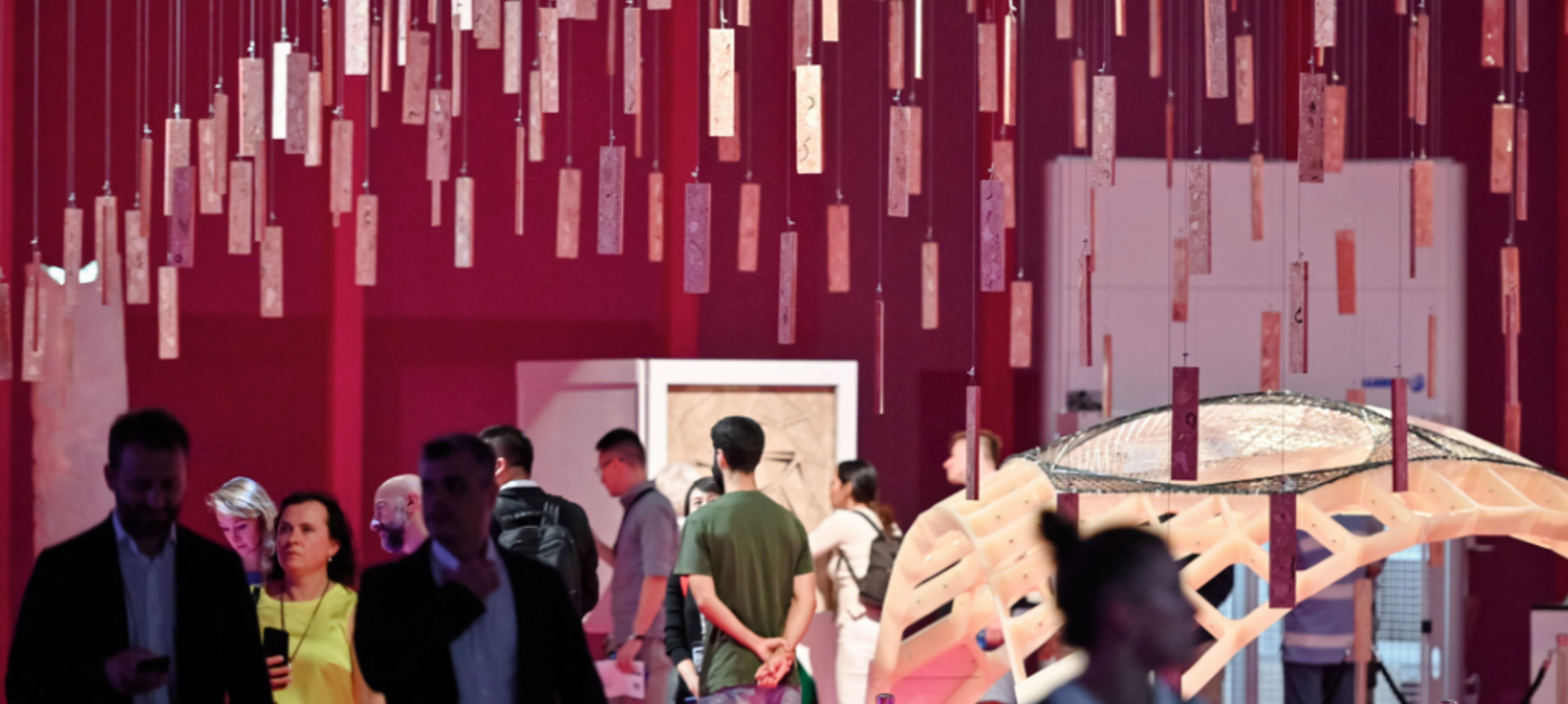
The central set-up of the Marmomac Meets Academies exhibition consists of a suspended “vault” composed of pieces of artificial coral breccia hung from the ceiling according to a precise geometric scheme. The research focuses on three fundamental aspects:
the first concerns the possibility of artificially replicating natural coral breccia using specific aggregates, binders and additives;
the second relates to the ability to recreate the spatial perception of a vaulted space by controlling the global geometry of the dome and its ceiling attachment points;
the third refers to the interpretation of the Greek term stereoma (translated into Latin as firmamentum, meaning the starry sky, the place where stars are fixed within infinite space), focusing on its fundamental elements—fixed stars suspended within the celestial vault.
The pieces made from recomposed coral breccia contain fragments of recycled glass that illuminate when struck by artificial or natural light, simulating the glow of stars. The term stereotomy derives from stereoma and refers to the discipline concerned with the scientific cutting of stone to construct vaulted spaces.
Finally, the recomposed coral breccia closely resembles the coral breccia of Castel del Monte and can be considered a tribute to this monument, built in Apulia by Emperor Frederick II of Swabia in 1240.