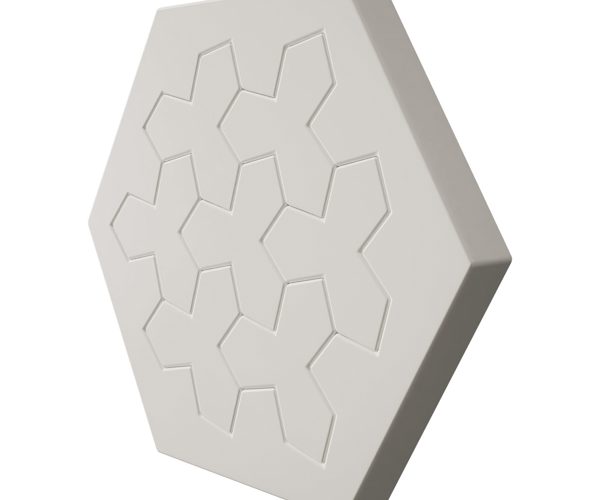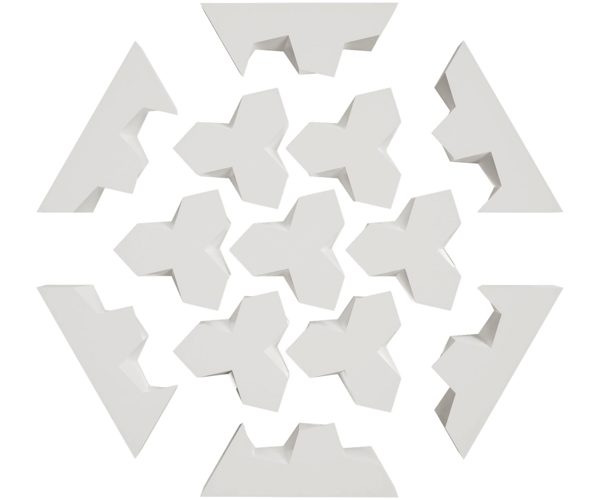
THE PLUS THEATRE
Business, culture and education meet natural stone
MARMOMAC MEETS ACADEMIES
Hall 10
Curated by: Giuseppe Fallacara and Domenico Potenza
Technical consultancy: Giulio Girasante
Collaborators: Francesca Bux, Ilaria Cavaliere, Dario Costantino
Graphic design: Studio Variabile
Raising a stone upright is the first architectural gesture performed by humankind; an action that appears simple but is in fact complex, as that gesture triggers a transformation that alters the original nature of places into a new landscape shaped by human artifice. Architecture is born from this primary act: balancing stone upon stone to adapt environmental conditions to human needs. Stone, more than any other material, defines the continuous processes of territorial transformation; particularly in those areas where its presence is richest and its use most extensive, becoming an interpreter of the layered identity embedded in the history of the places we inhabit. This explains the enduring relevance of a material capable of going far beyond the evolution of its different expressive languages. Architecture is nothing more than a continuous act of destroying in order to build, and then destroying again to rebuild once more, without ever interrupting the principles and reasons behind that action.
The idea of the exhibition – set up in Hall 10 within The Plus Theatre – is to narrate the variety and richness of a widespread lithic landscape, starting from a sort of “journey through the Italy of stones”, capable of describing quarry territories, the stratifications of urban landscapes and the experimental research carried out in different schools of architecture in Italy and abroad. The thematic focus of this edition of Marmomac Meets Academies is public space, around which universities and companies have worked: from the enhancement of the historical tradition of Italian squares to the regeneration of contemporary public spaces. Italy as a whole represents a widespread testimony of the relationship between stone materials and landscape, both in urban and rural contexts. From Ligurian slates used for pitched roofs, to porphyry paving from Trentino (now used in most towns across every region); from the precious white marbles of the Apuan Alps (exported worldwide), to the historic travertines of ancient Rome and those found in central Italy; from the slabs extracted from the quarries of Lessinia to the luminous limestones of Puglian cathedrals and castles, to the golden stones of Sicilian Baroque, and finally to the lava stones of Etna and the robust, enduring Sardinian granites.
The aim is to present an exemplary itinerary (between stone territories and urban landscapes) of the Italian provinces together with the main Italian and international university experiments, including: Università degli Studi di Catania, Università degli Studi della Basilicata, Università degli Studi “G. D’Annunzio” di Chieti-Pescara, Università degli Studi La Sapienza di Roma, Politecnico di Bari, Università di Camerino, Università degli Studi di Ferrara, Accademia di Belle Arti di Verona, Technische Universität Kaiserslautern, New York Institute of Technology, Polis University, Massachusetts Institute of Technology.
Politecnico di Bari — Giuseppe Fallacara, Maurizio Barberio, Micaela Colella, Dario Costantino, Ilaria Cavaliere, Angelo Vito Graziano, Marco Stigliano, Ubaldo Occhinegro, Micaela Pignatelli
Università degli Studi “G. d’Annunzio” Chieti-Pescara — Domenico Potenza, Giulio Girasante
Università Roma La Sapienza — Marco Ferrero
Accademia di Belle Arti di Verona — Marta Ferretti, Sotirios Papadopoulos
NYIT New York Institute of Tecnhology — Christian R. Pongratz; Dustin White
Technische Universität Kaiserslautern — Cornelie Leopold, Eva Hagen, Benedikt Blumenröder
Università degli studi di Catania, Dipartimento DICAR — Vincenzo Latina
Università degli studi della Basilicata, Dipartimento delle Culture Europee e del Mediterraneo - sede di Matera — Ettore Vadini
Università degli Studi di Camerino – Scuola di Architettura e Design di Ascoli Piceno — Giulia Menzietti
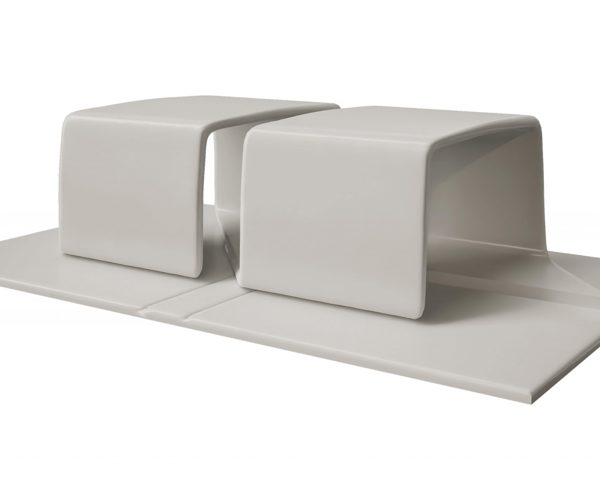
PANCA A NASTRO
Design
Giuseppe Fallacara e Marco Stigliano
Production
Pi.Mar con Tarricone Prefabbricati
Materials
Recomposed stone with ecological binders for the absorption of CO2 and Lecce stone powder
Modular bench for urban furniture with seating function and bicycle rack.
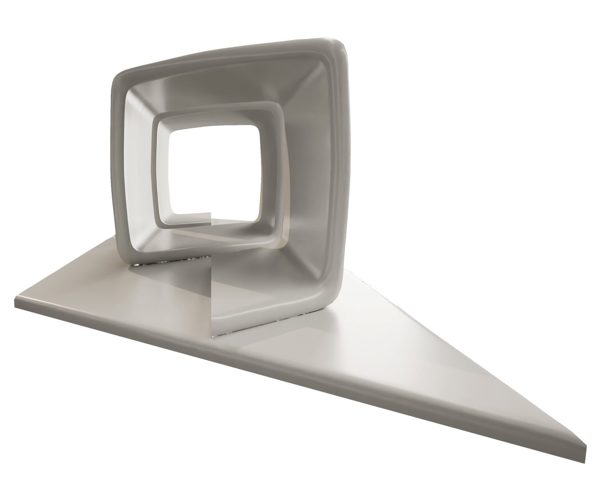
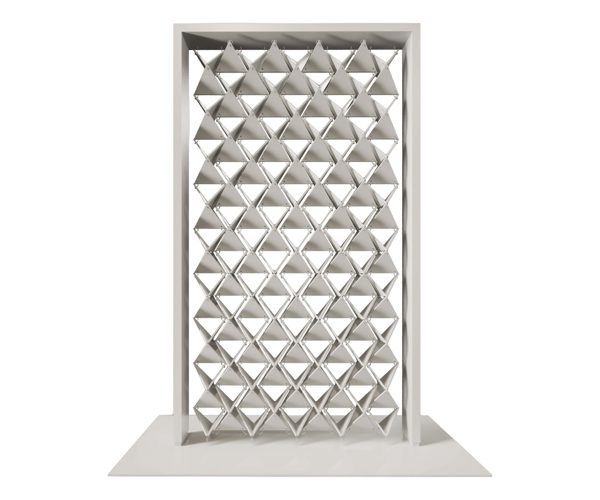
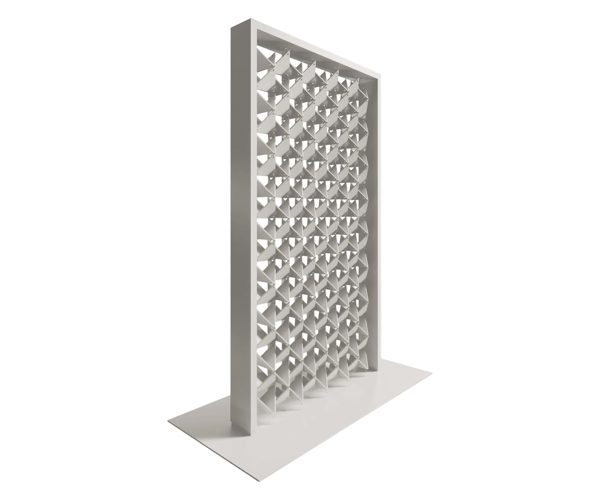
PORTA D’ORIENTE
Design
Giuseppe Fallacara e Marco Stigliano
Production
Mastropasqua Marmi
Materials
Lightened stone on alucobond, Carrara white marble and Marquinia black marble
Diaphanous system for urban decorations, dividing filters/brise-soleil, urban furniture.
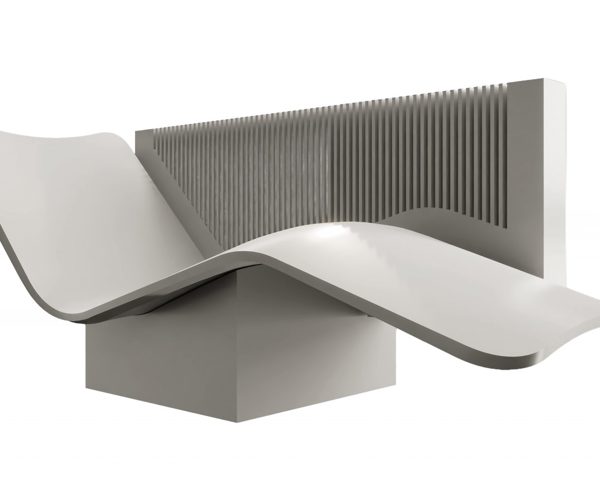
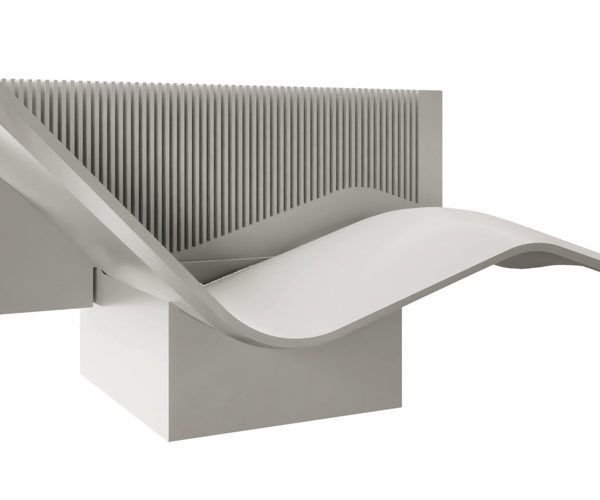
CHAISE-LONGUE PER SCIOLA
Design
Giuseppe Fallacara, Marco Stigliano, Ubaldo Occhinegro, Micaela Pignatelli
Production
Stilmarmo with Tarricone Prefabbricati
Materials
Apricena stone
Chaise longue for outdoor gardens made of recomposed stone and natural stone, with a sound-producing function.
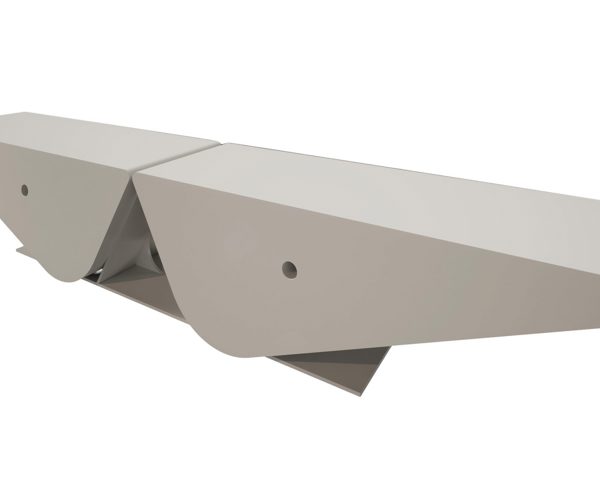
STONE WINGS
Design
Fabio Tellia e Giuseppe Fallacara
Production
Stilmarmo
Materials
Apricena stone
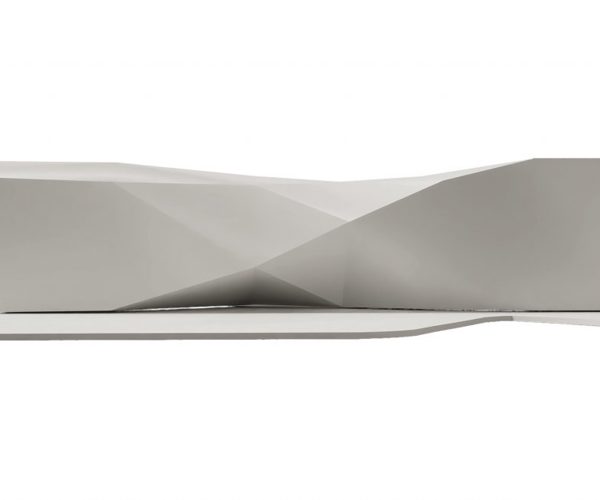
Cantilevered double-sided bench constructed with a simple diagonal cut of a parallelepiped block.

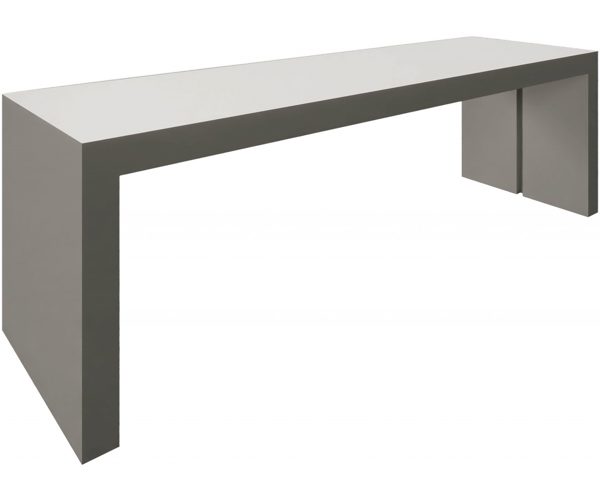
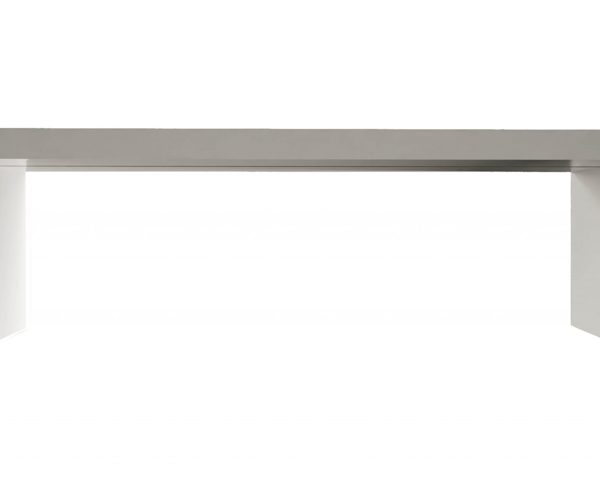
SIMPLE BENCH
Design
Giuseppe Fallacara
Production
Stilmarmo
Materials
Lightened Apricena stone slab
ICHU CHAIR
Design
Irina Chun
Production
Stilmarmo con Cnc Design e Poliba Stone Lab 4.0
Materials
Apricena stone and PLA with added marble powder
Stool for indoor and outdoor use consisting of a 3D-printed support and a stone seat.
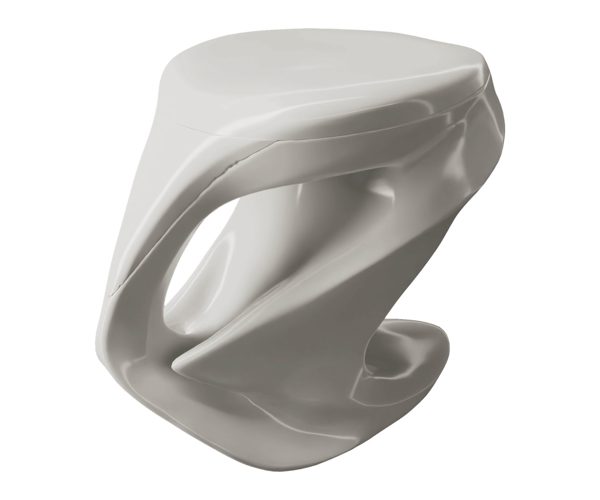
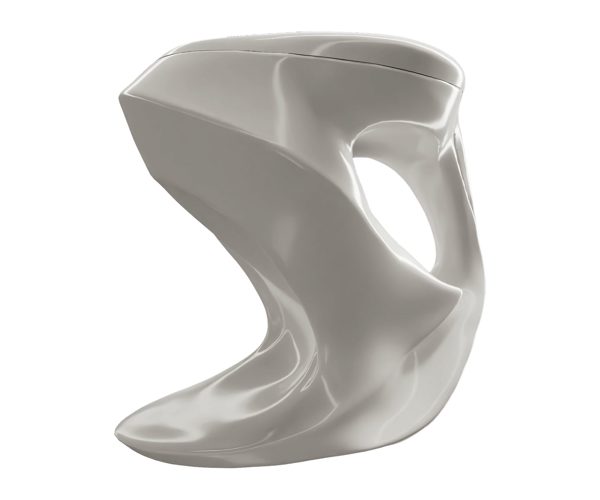
LE TABOURET
Design
Giuseppe Fallacara
Production
SNBR
Materials
Travertine
Ergonomic seat with integrated mechanical shock absorber.
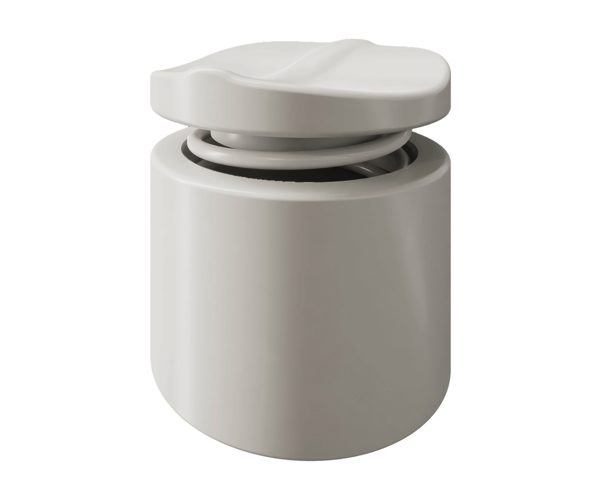
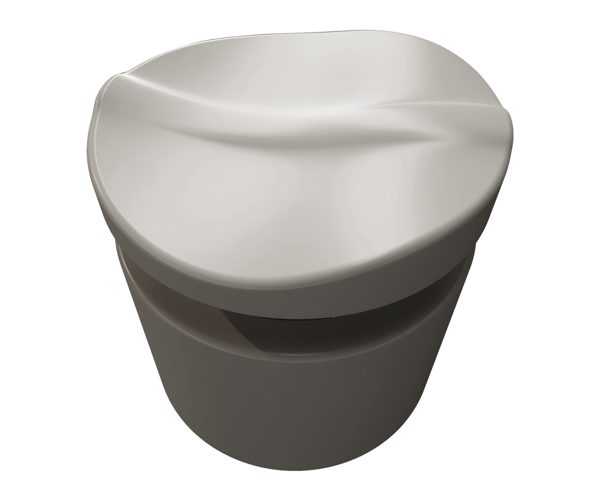
SGABELLO “IN SELLA”
Design
Giuseppe Fallacara
Production
Mastropasqua Marmi
Materials
Cold-rolled galvanized steel sheet and Forest Green stone
Flexible stool for equestrian training, consisting of a self-balancing system with metal suspensions.
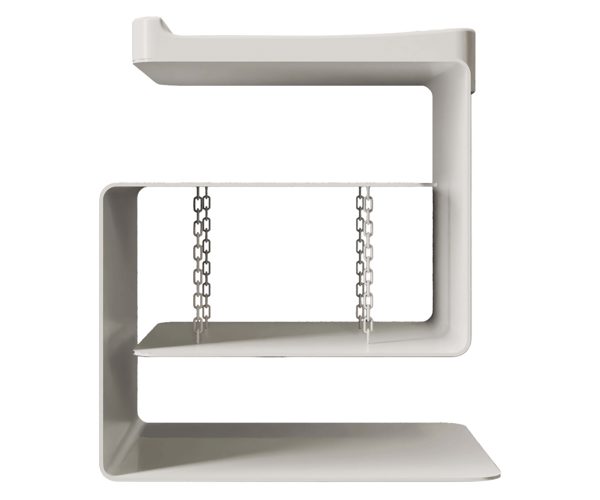
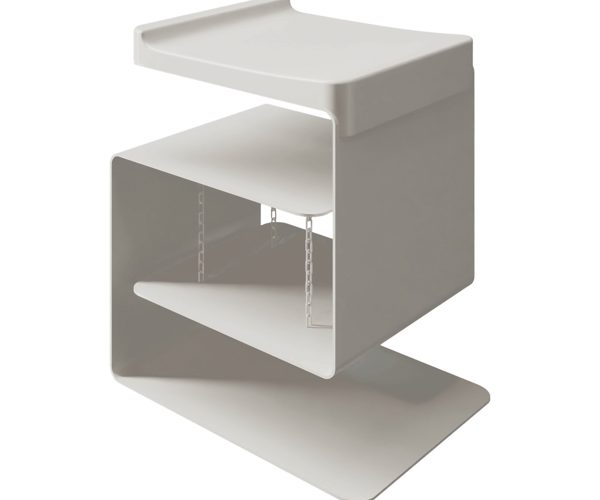
STONE PUOF
Design
Giuseppe Fallacara con Anthony Caradonna (NYIT)
Production
Mastropasqua Marmi
Materials
Slabs of Carrara white marble
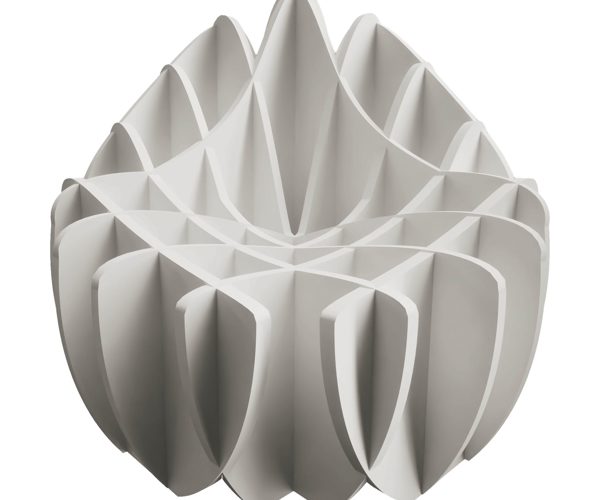
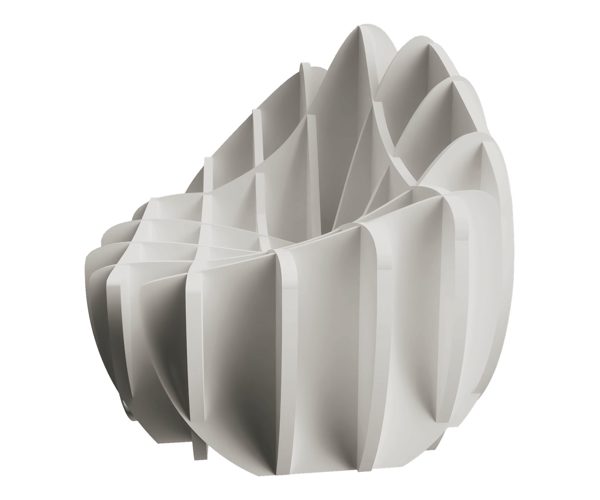
SEDUTA DA CORSA
Design
Massimo Russo
Production
Helios Automazioni, Felice Chirò, Industria Marmi, Puglisi Marmi, Confindustria di Capitanata / settore lapideo
Materials
Etna lava stone
The work combines key aspects of lithic design object production with new digital technologies, positioning itself within a field of research and recent studies on the “algorithms of beauty”, applied and integrated within innovative parametric design processes.
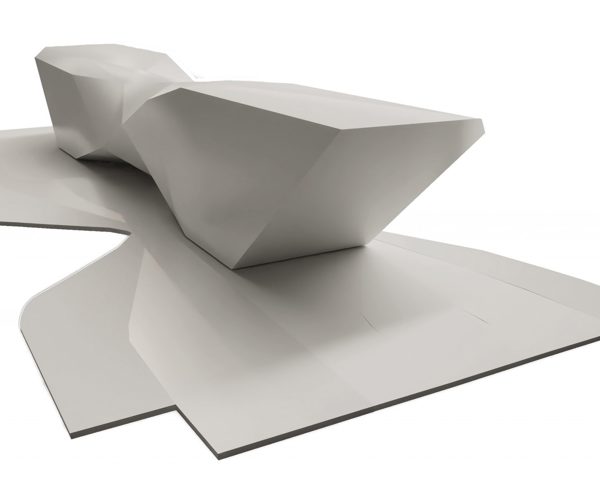
THE GLOBAL DŌRŌ
Design
Marco Ferrero, Carlos Acosta Fontana e gli studenti del workshop “MTA – Meet Traditional Art: Kyoto-Rome
Production
M° Takaaki Saida – Kyoto, Balducci Marmi
Materials
Granite
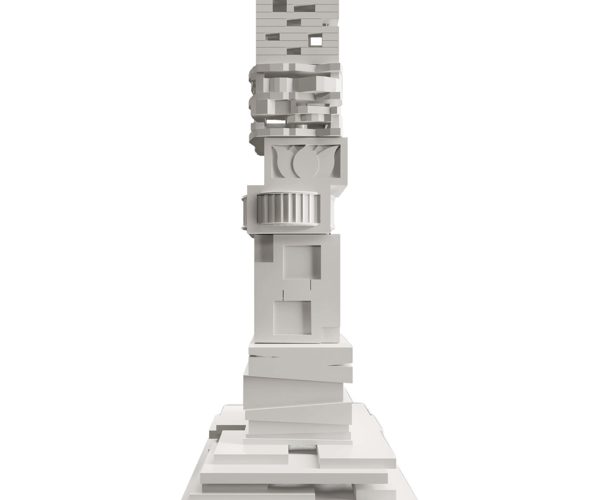
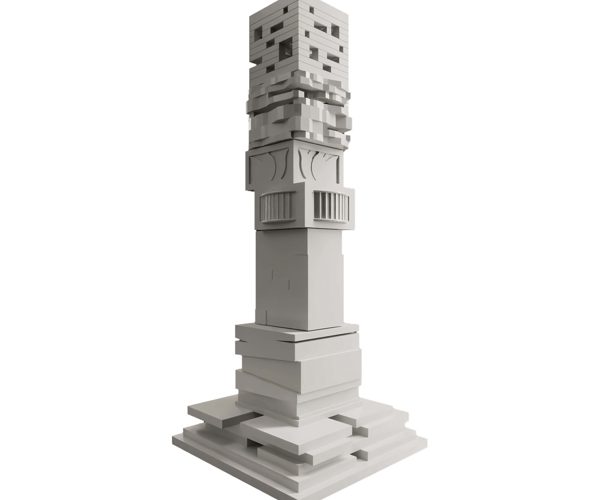
Hand-carved granite totem composed of drums that reference both architectural orders and the Zen lantern.
TETRADES
Design
Sara Mosconi, Ayelen Pesenti, Lucrezia Picariello, Camilla Quarti
Production
Donatoni Macchine
Materials
Marble
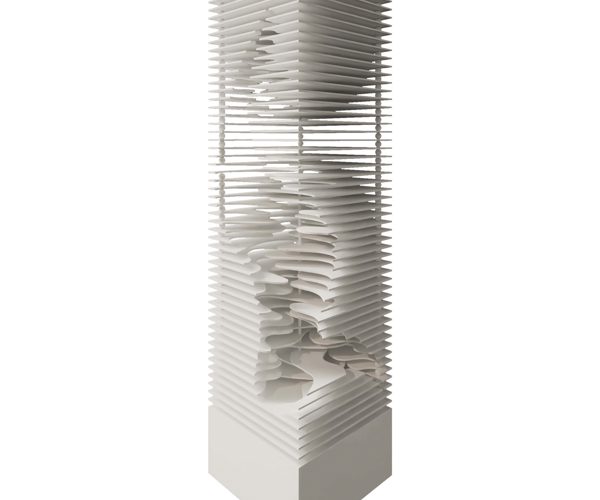
Hollowed monolith composed of a sequence of sections made from different types of marble and equipped with LED strips.
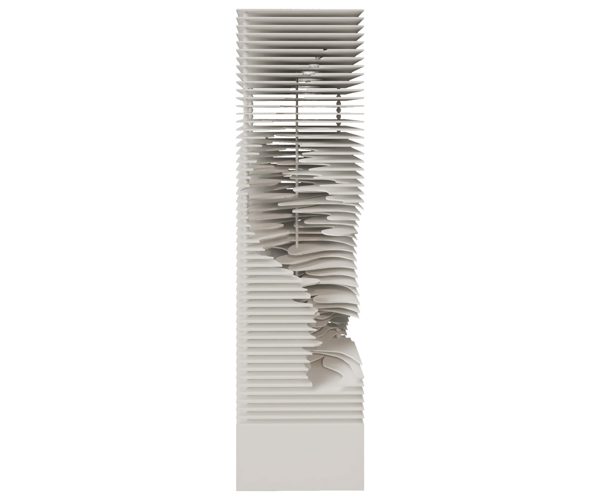
URBAN CLIMATE OASIS
Design
Christian R. Pongratz, Fadhil Fadhil e Pongratz Perbellini Architects
Production
PI.MAR, Climax Italy, Hikari, Idrobase Group
Materials
Lecce stone
The project, consisting of a system of green walls with seating, uses natural stone as a sustainable material, employing computational design tools to almost completely eliminate production waste and minimise fabrication time and energy consumption.
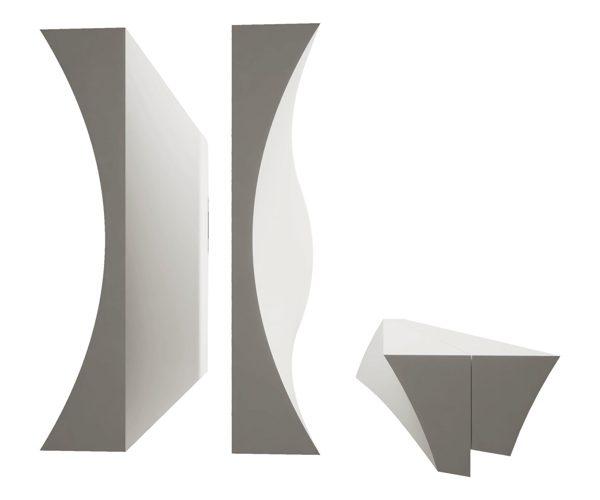
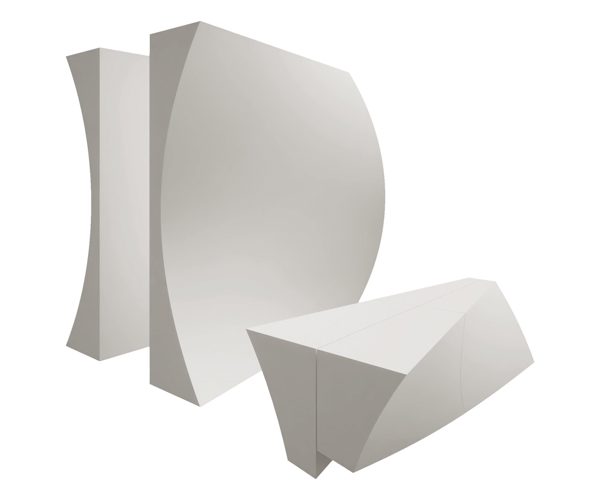
GOTHIC REIMAGINED: THROUGH THE LENS OF AI
Design
Dustin White with Christopher Pope
Production
Concr3de
Materials
3D printing of limestone powder
The work is the result of research into the use of Artificial Intelligence within the design process. The aim is to produce a reinterpretation of the forms and language of Gothic architecture.
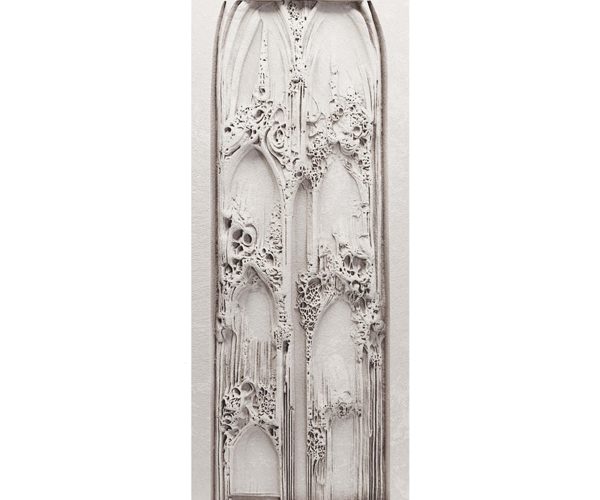

STONE ON STONE / DIGITAL STEREOTOMY
Design
Fayuan Wang
Production
Carl Picard Natursteinwerk in Kaiserslautern
Materials
Red sandstone and wood
The work consists of transforming a 2D parquet pattern into a three-dimensional interlocking system composed of a single repeated module. The blocks were produced using numerically controlled machines.